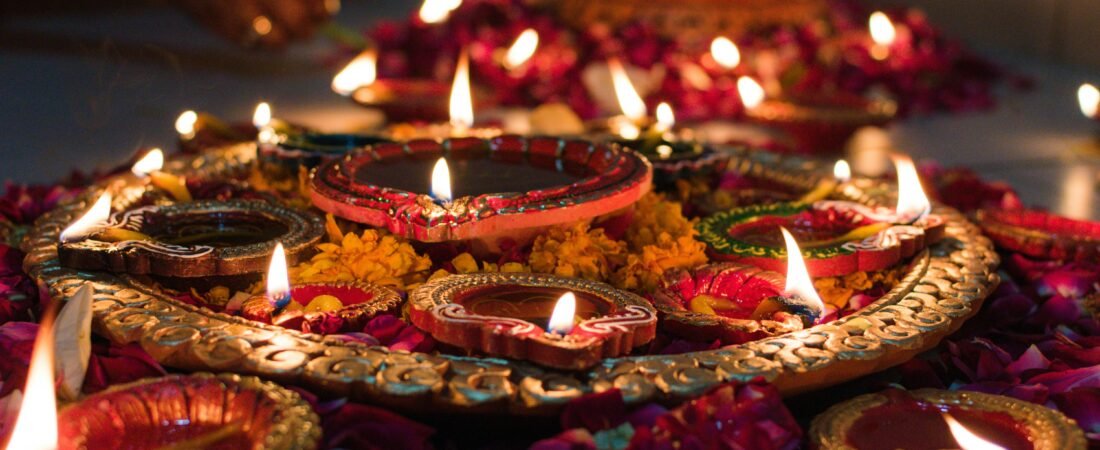

There are festivals you watch, and there are festivals you feel. Diwali belongs firmly to the second kind. For a few nights each autumn, India glows — rooftops, doorways, riverbanks and entire city skylines flickering with thousands of tiny oil lamps. If you ever get the chance to be there for it, take it.
What Diwali actually celebrates
Diwali (or Deepavali, “a row of lights”) is most widely known as the celebration of light over darkness and good over evil. For many it marks the return of Lord Rama to Ayodhya after years of exile; for others it honors the goddess Lakshmi, who brings prosperity. Across India’s many regions and religions the meaning shifts slightly — but the spirit of renewal, family, and hope stays the same.
When it happens
Diwali follows the lunar calendar, usually falling in October or November. The main celebration lasts five days, with the third day being the brightest and most important. Always check the exact dates for the year you’re planning to travel, as they change annually.
The five days, briefly
Diwali is not a single evening but a five-act celebration, and knowing the shape of it helps you plan. It opens with Dhanteras, a day for buying something new — traditionally gold, silver, or kitchen utensils — when the markets are at their glittering busiest. The second day, often called Choti Diwali, is quieter: homes are cleaned and decorated, and rangoli patterns bloom on doorsteps. The third day is the heart of it all — Lakshmi Puja, when families pray for prosperity and the lamps, fireworks, and feasting reach their peak. The fourth day varies by region, often marking Govardhan Puja or a new year in some communities, and the fifth, Bhai Dooj, celebrates the bond between brothers and sisters. As a traveler, the gift of this structure is that you do not need to catch one perfect night. Arrive early in the sequence and you get the build-up — the markets, the rangoli, the anticipation — which is, in its own way, as lovely as the lights.
How to experience it as a traveler
- Choose your city with intention. Jaipur lights up its entire old city. Varanasi, on the Ganges, is otherworldly as lamps float down the river. Amritsar’s Golden Temple is breathtaking under Diwali lights.
- Accept an invitation if you get one. Diwali is deeply about family and home. Sharing sweets with a local family teaches you more than any monument.
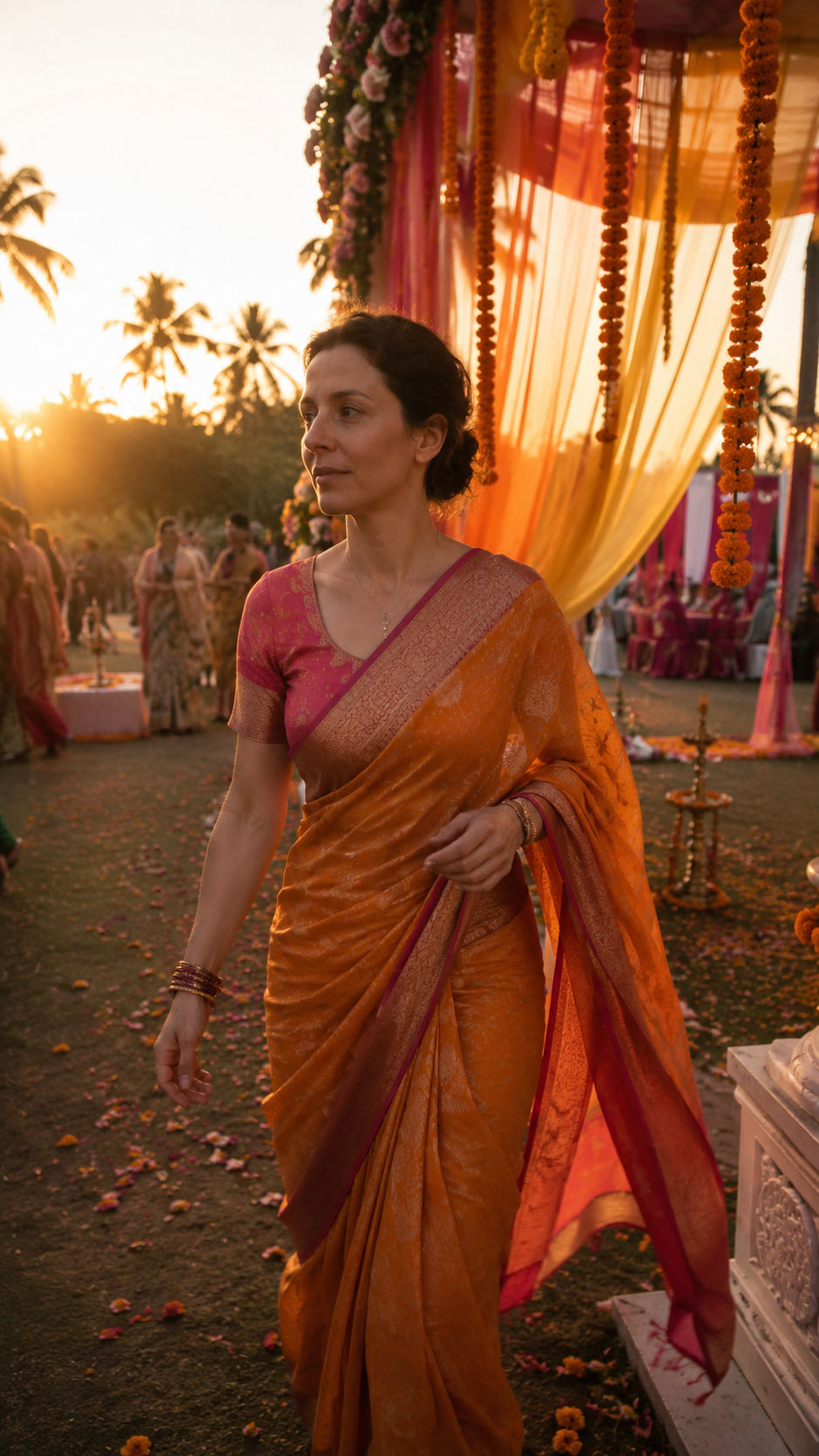
- Dress up. People wear their finest clothes and bright colors are welcome — joining in is appreciated.
- Try the sweets. Boxes of mithai — ladoo, barfi, jalebi — are exchanged everywhere. Say yes to all of it.
Planning your Diwali trip
Diwali is India’s biggest travel season — imagine the whole country going home for the holidays at once — so the golden rule is to book everything early. Trains sell out well ahead, domestic flights climb in price as the dates approach, and hotels in the most atmospheric cities fill fast. Reserving a couple of months out is not excessive; it is the standard.
Costs stay gentle by most standards even at peak: simple guesthouses at backpacker prices, charming mid-range heritage hotels at a fraction of European rates, and food so affordable that eating well is never the budget’s problem. Do expect a festival premium in Jaipur, Udaipur, and Varanasi, and treat quoted prices for taxis and rickshaws with your usual friendly negotiation.
Give the trip at least five to seven days if you can — long enough to see the markets swell before the festival and the lamps still glowing after. One honest note: the days around Diwali bring heavy firecracker smoke, and air quality in the northern cities, Delhi especially, can dip sharply. If you are sensitive, pack a good mask, plan indoor mornings, or lean toward smaller cities where the haze settles less. October and November are otherwise one of the loveliest windows to travel in India — the monsoon has gone, and the heat has finally softened.
Travel like a respectful guest
Diwali is joyful, but it’s a religious and family celebration first. Ask before photographing people, especially during prayers. Fireworks can be intense and crowds are large — keep flexibility in your plans, and book accommodation early, because this is peak season.
A few insider notes
Some of the best Diwali moments happen away from the fireworks. Walk the markets in the week before, when stalls overflow with marigolds, clay lamps, and boxes of sweets stacked like small architecture. Buy a bag of diyas — the little terracotta oil lamps cost almost nothing and make the most meaningful souvenir you will find. In Varanasi, go down to the ghats at dawn, when the previous night’s lamps still drift on the water and the river is at its most hushed. And in the evenings, look up: rooftops are where families gather, and a skyline flickering with lamplight is a sight no organized tour will ever schedule for you.
The bigger lesson
What stays with most travelers isn’t the spectacle — it’s the warmth. Diwali is a reminder that the best travel experiences come from presence and people, not checklists. Light a lamp, share a sweet, and let the place change you a little.
Diwali questions travelers ask
When is Diwali celebrated?
Diwali follows the lunar calendar and falls in October or November, with the exact dates shifting every year. The festival spans five days, with the third day as the main celebration — always confirm the current year’s dates before booking.
Is Diwali a good time to visit India?
Wonderful, with caveats: the weather is at its best and the atmosphere is unmatched, but it is peak season, so prices rise and transport fills early. Book well ahead and build flexibility into your plans.
Where is the best place to experience Diwali?
Jaipur for its illuminated old city, Varanasi for lamps on the Ganges, and Amritsar for the Golden Temple glowing over its pool. Honestly, though, the best Diwali is wherever someone invites you in.
Planning a trip around a festival like Diwali? My free Travel Budget Calculator walks you through planning, packing, cultural etiquette, and traveling with intention. — Lina