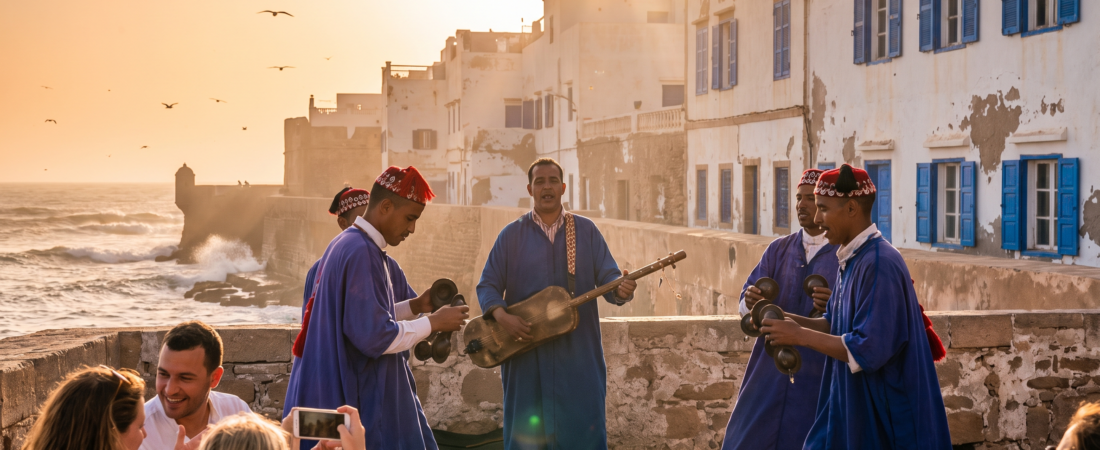
Essaouira ruined my audio and then fixed it. I was on the ramparts with two friends trying to film a wedding party gathering at the sea gate below, and the Atlantic wind was so constant across the microphone that we could not hear each other shout. Then the Gnaoua troupe started, and the problem solved itself. You cannot out-wind iron castanets.
If Marrakech is Morocco at full volume, Essaouira is Morocco with the windows open. It is the town everyone means when they say they want to slow down.
A fortress town that was designed, not grown
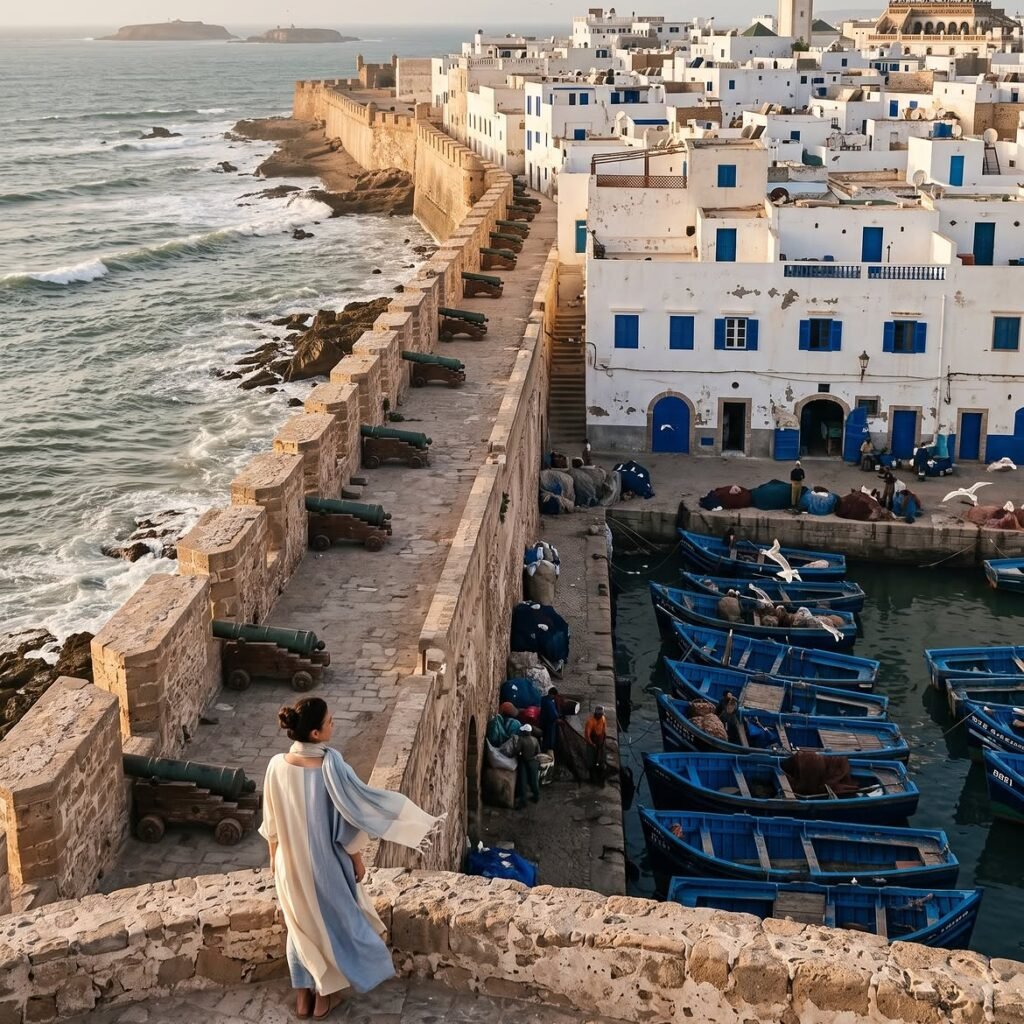
Most Moroccan medinas evolved over centuries into beautiful mazes. Essaouira did not. In the 1760s, Sultan Sidi Mohammed ben Abdallah hired a French engineer to build a modern port, and the result is a walled town on a grid: straight streets, right angles, and ramparts facing the sea. It is a UNESCO World Heritage site, and it is the only Moroccan medina where I never once got lost.
The palette is fixed and strictly enforced: whitewash and cobalt blue, everywhere, with thuya wood the colour of dark honey in the workshops. The wind comes off the Atlantic without pause – locals call the town the windy city and the kitesurfers on the long beach are the reason half the visitors arrive.
Watch the film
A night in Essaouira: when the wind drops
The Atlantic wind finally drops, the blue-and-white medina glows, and somewhere behind a wall the qraqeb start up. This is the night the Essaouira guide's gnawa chapter is built on — the guembri laying down the bass figure, the iron castanets going to double time, and the ululation cutting over it all.
Filmed for the Culture With Lina series. Follow @culturewithlina for the rest.
Gnaoua: the music that runs the town
Gnaoua is not folk entertainment laid on for visitors. It is a spiritual tradition brought north across the Sahara by enslaved West Africans, a music of trance and healing that fused with Moroccan Sufi practice and never stopped being a serious thing.
You will hear it before you understand it. The guembri is a three-string bass lute with a camel-skin face, played low and repetitive, holding everything down. Over it come the qraqeb – heavy iron castanets, played in pairs, in patterns that speed up and up. The dancers wear caps with a long tassel, and at the peak one will break out of the line and spin the tassel in a circle above his head, faster and faster, for far longer than seems physically survivable.
At the wedding I gatecrashed, the ring of guests tightened as the qraqeb went to double time, everyone clapping on the offbeat, the ululation cutting over the top. I was pressed into that circle for the better part of an hour and came out slightly stunned. My honest note at the time: how is he not dizzy?
The Gnaoua and World Music Festival
Every June, Essaouira hosts one of Africa’s great festivals: four days of Gnaoua masters (maalems) playing alongside jazz, funk and world musicians, most of it free, most of it outdoors, the whole town given over to it. If you can plan your Morocco trip around one date, this is a strong candidate. Book beds months out.
What to actually do
- Walk the Skala de la Ville, the sea rampart lined with bronze cannons, at golden hour. It is the town’s best hour by a distance.
- Watch the boats come in at the fishing port, where the blue trawlers unload and the gulls lose their minds.
- Eat grilled sardines at the port grills – you pick the fish, they cook it, you eat it at a plastic table with bread and a wedge of lemon. Best three euros in Morocco.
- Buy thuya wood. The workshops around the Skala carve the fragrant local root into boxes and bowls, and the smell alone is worth the suitcase space.
- Ride, kite or just walk the beach, which runs for kilometres. There are horses and camels, and a wind that will make the decision for you.
- Visit an argan cooperative in the hills behind town, where women crack the nuts by hand. Buy there rather than in the souk.
What to eat
Seafood, obviously, and better than anywhere else in the country: sardines, sea bream, calamari, and the enormous mixed platters that arrive when you have ordered far too much. Beyond the port, look for a seafood pastilla – the sweet-savoury pastry of Fez rebuilt with fish and shellfish – and harira soup when the wind turns cold, which it does every evening.
The town is also unusually good for slow breakfasts. Msemen with honey and amlou – the argan and almond spread that is the best thing Morocco does with a nut – on a roof, out of the wind, is my favourite meal in the country.
Planning your visit
Essaouira is a two-and-a-half to three hour drive from Marrakech, and buses run all day; it is the standard escape when the medina gets too much. It also has a small airport with a handful of European flights.
Come between April and October for the warmest sea and the liveliest streets, but know that this is not a hot-weather town: the Atlantic keeps it mild all summer, which is exactly why Moroccans come here in August. Bring a jacket in every season. The wind does not read the forecast.
Two nights is the minimum to feel the change of pace; three or four and you will start looking at property prices. Stay inside the walls in a riad – the medina is small, safe and easy to walk after dark, which is not something you can say everywhere.
Questions I get asked most
Is Essaouira worth a night, or just a day trip?
Stay. The day-trip crowd leaves around four, the light gets beautiful at six, and the town is completely different once the buses have gone.
Is the wind really that bad?
It is constant from spring through summer. Great for kitesurfing, difficult for a beach day and for filming. Autumn is the calmest window.
Can I photograph the Gnaoua musicians?
At the festival and in public performance, yes, and they are used to it. At a private wedding or a ceremony, ask first and stay out of the circle unless you are pulled in.
Keep exploring: the full Morocco destination guide, what actually happens at a Moroccan wedding, and the blue staircases of Chefchaouen.
— Lina
Morocco, you have a special kind of magic
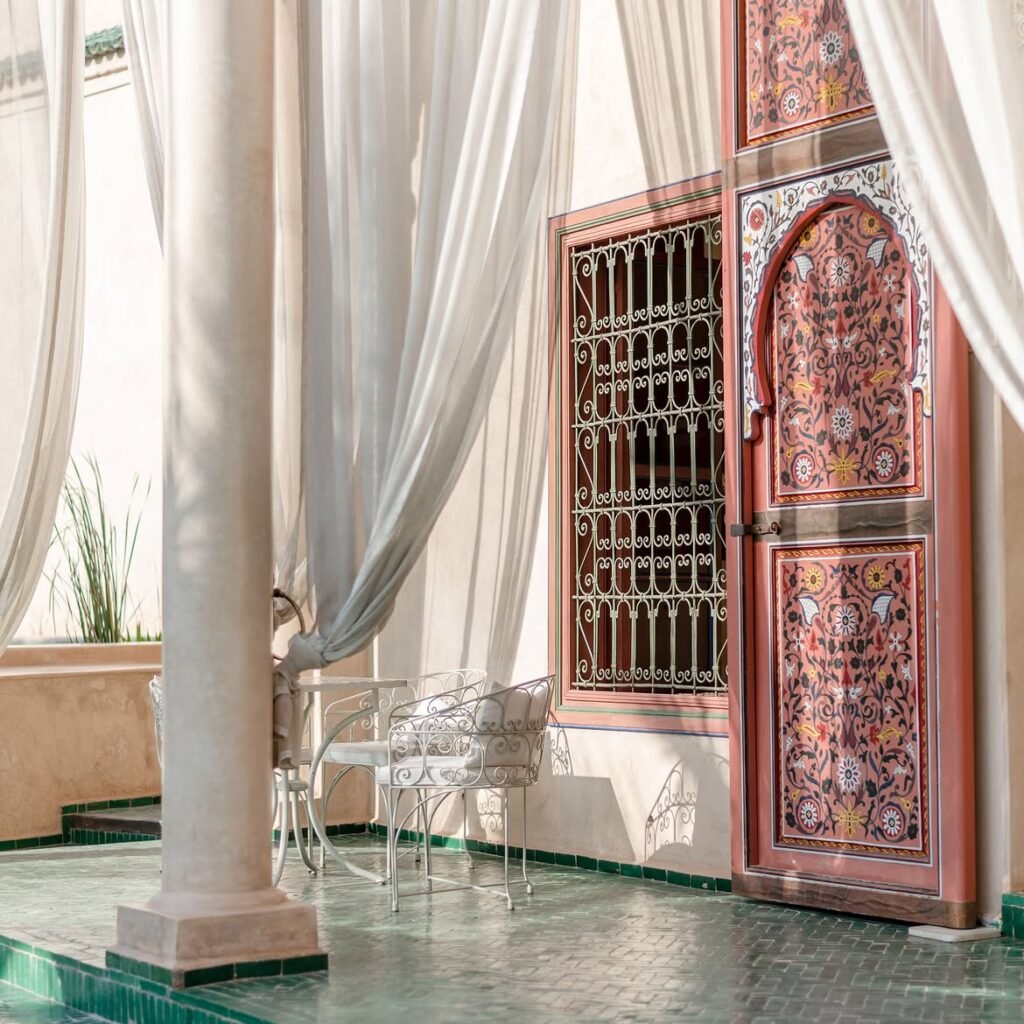
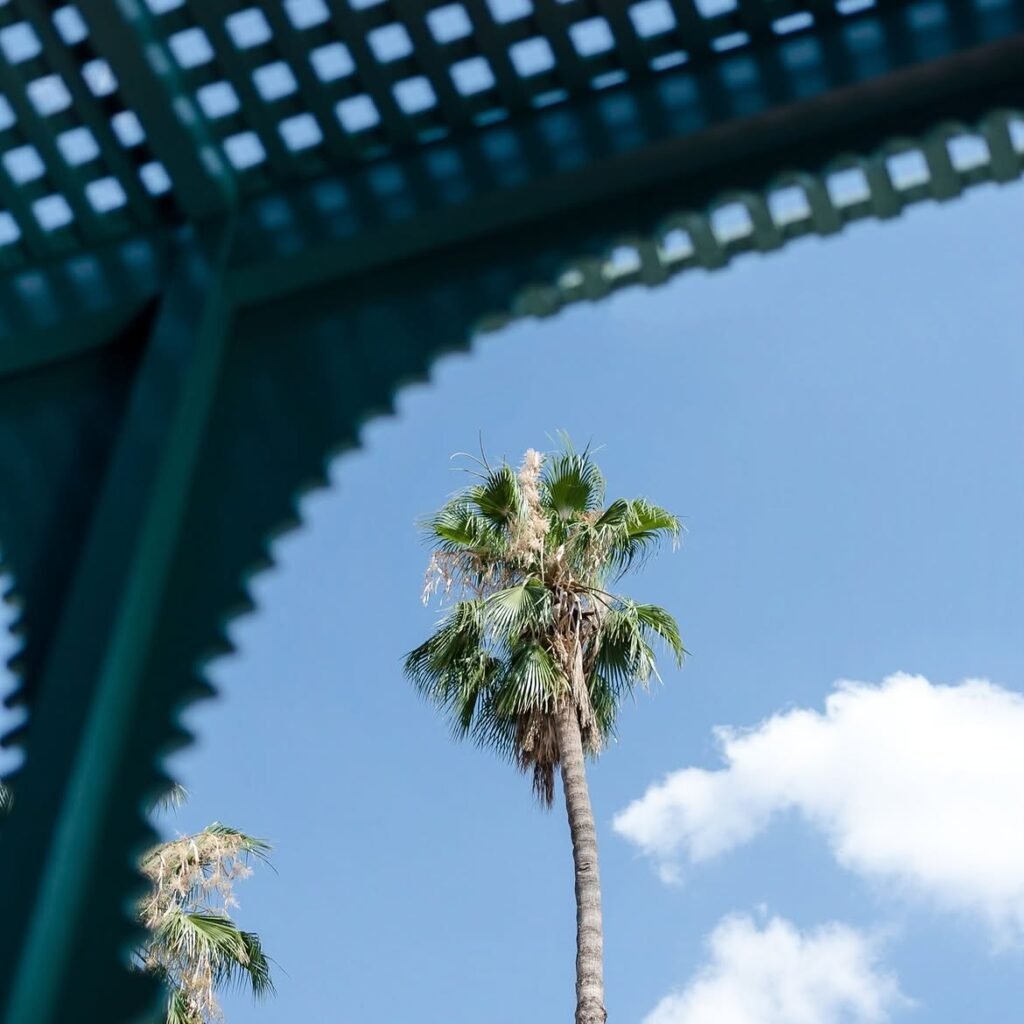
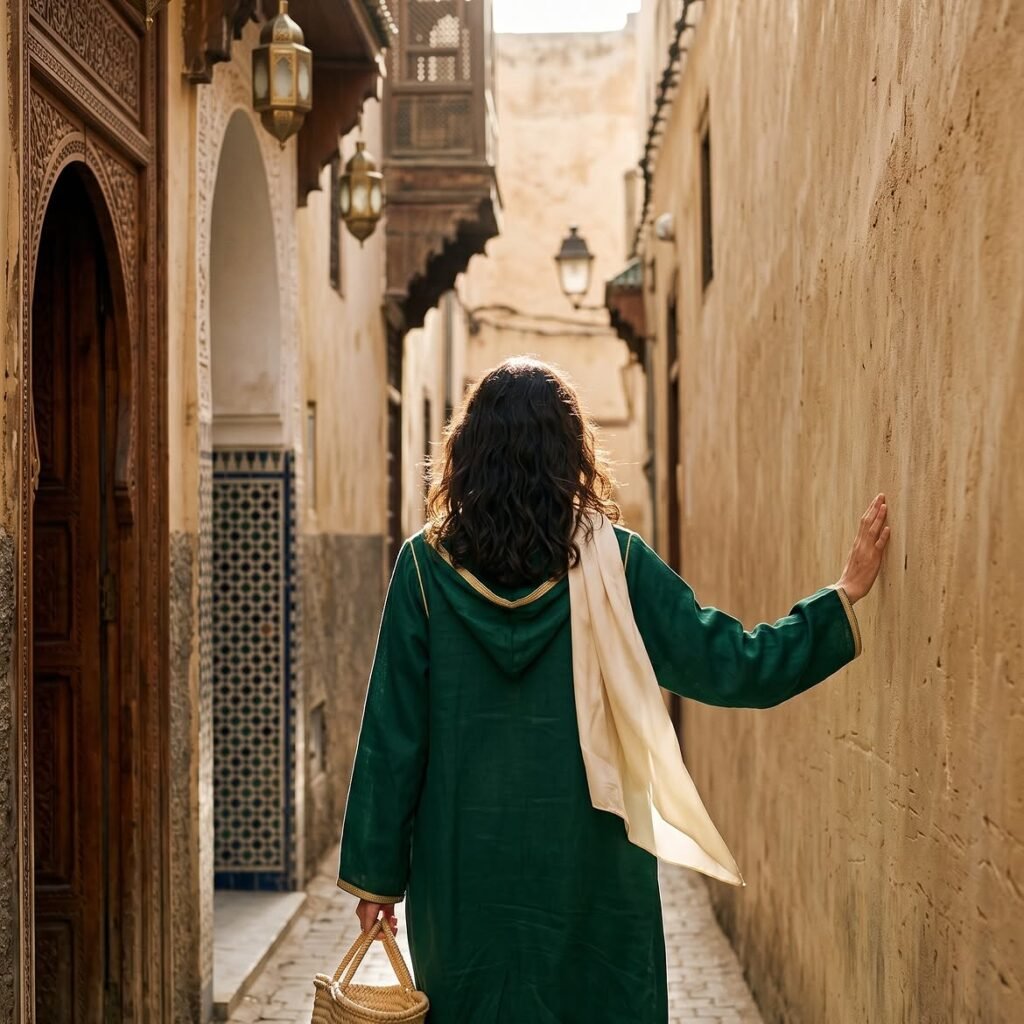
A few frames from Essaouira — the indigo shutters, cloth hanging where a door should be, and the Atlantic sitting behind all of it.
Part of the Moroccan journey carousel — more of it on Instagram and TikTok.