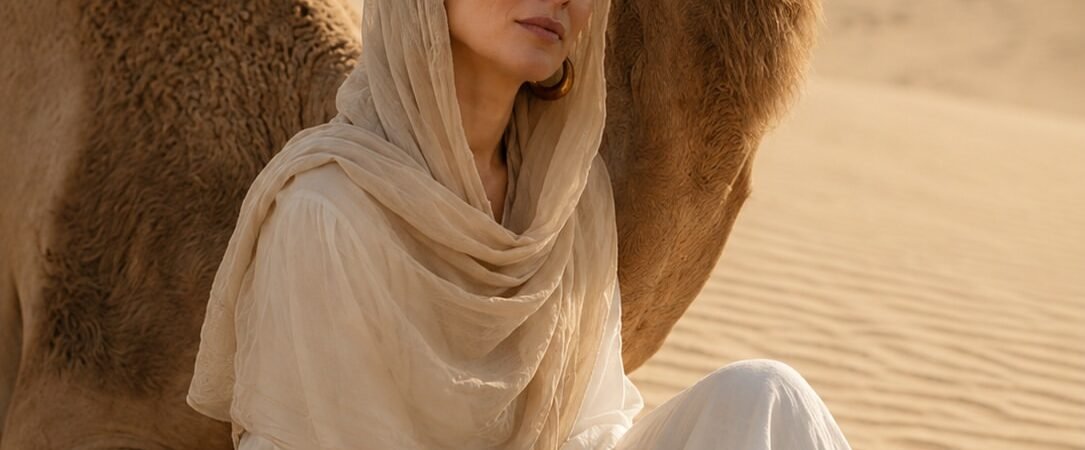
Some places are not just meant to be visited. They are meant to be felt — and the Sahara is the clearest example I know. You do not really look at this desert. You stand in it, and it does most of the work.
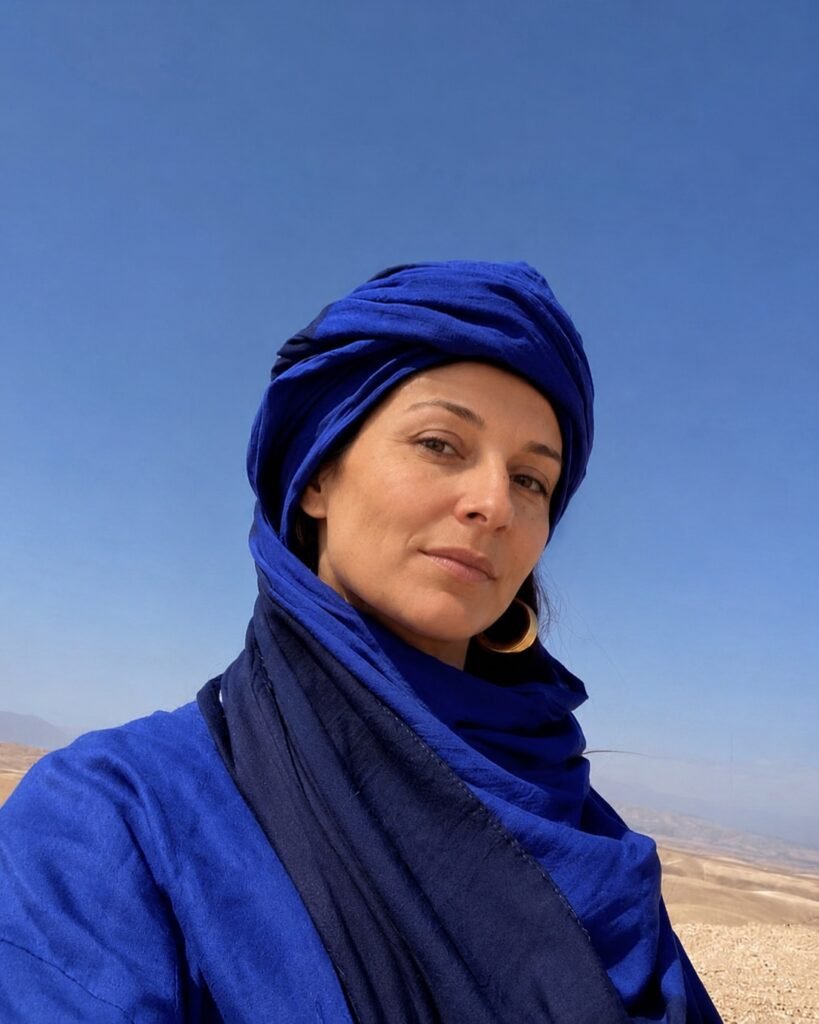
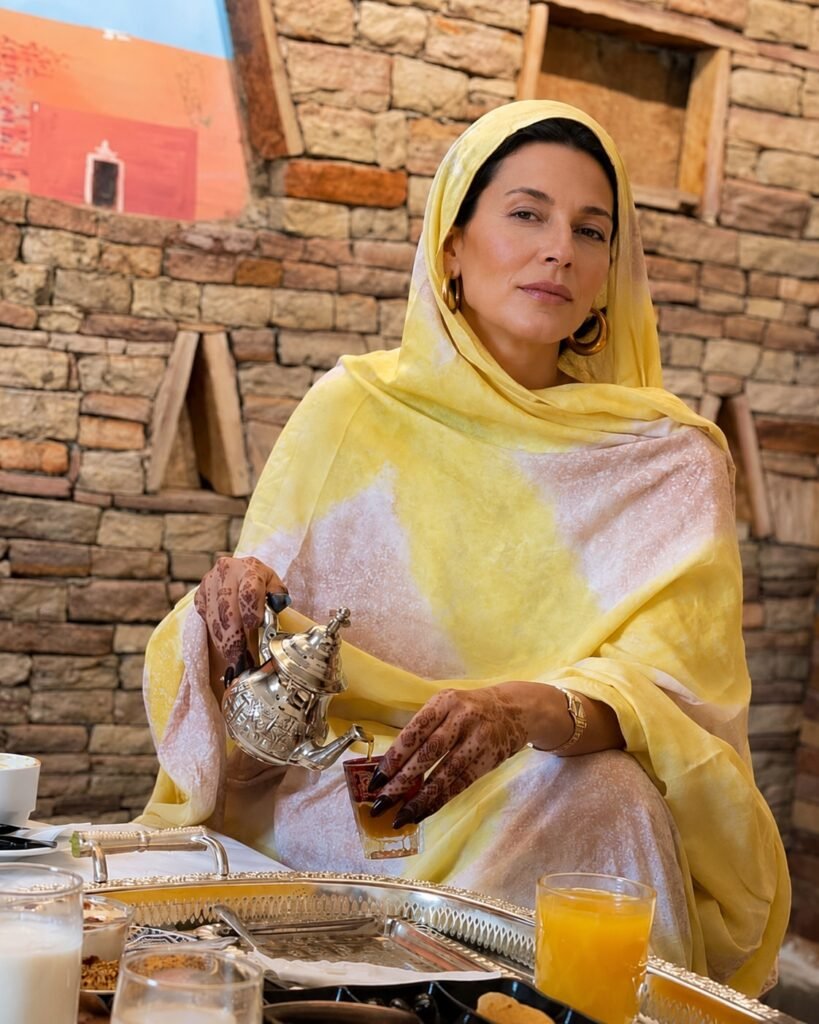
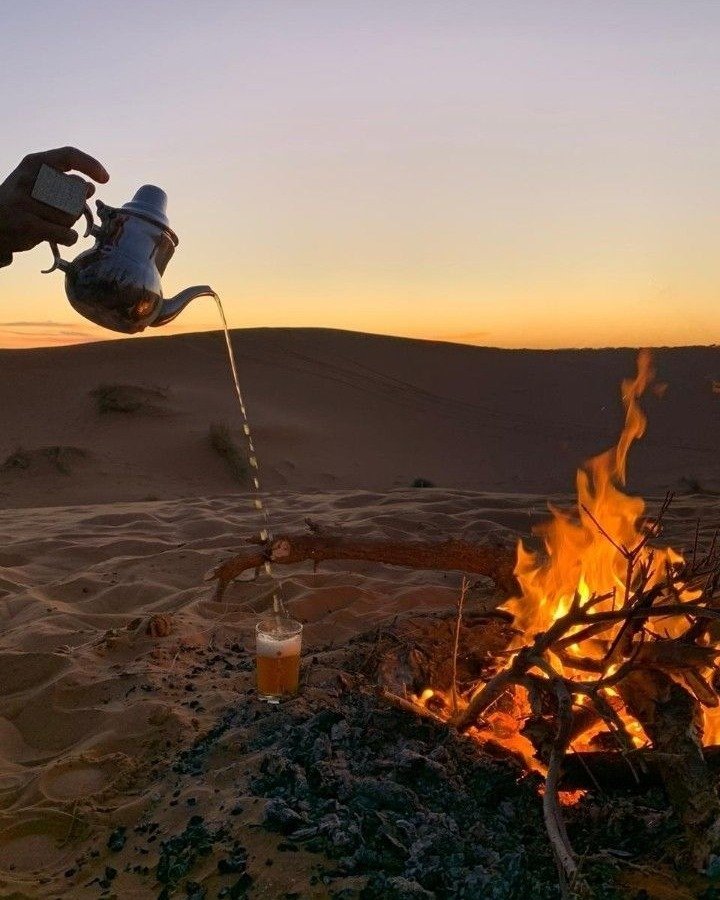
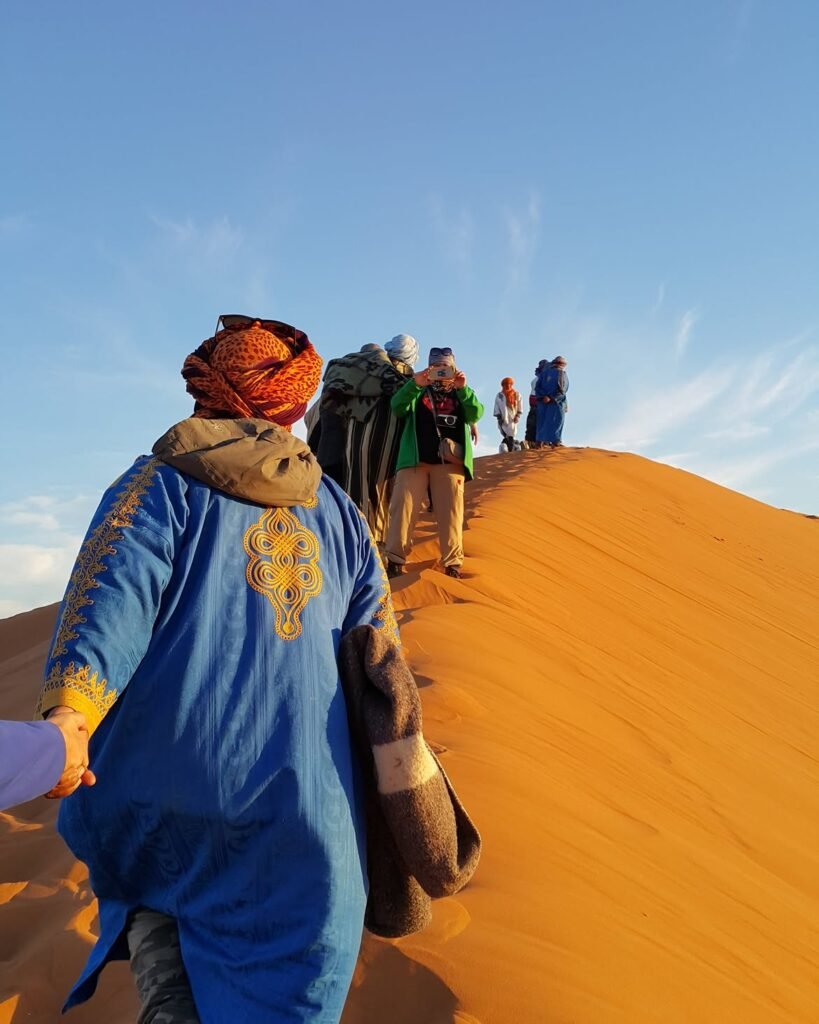
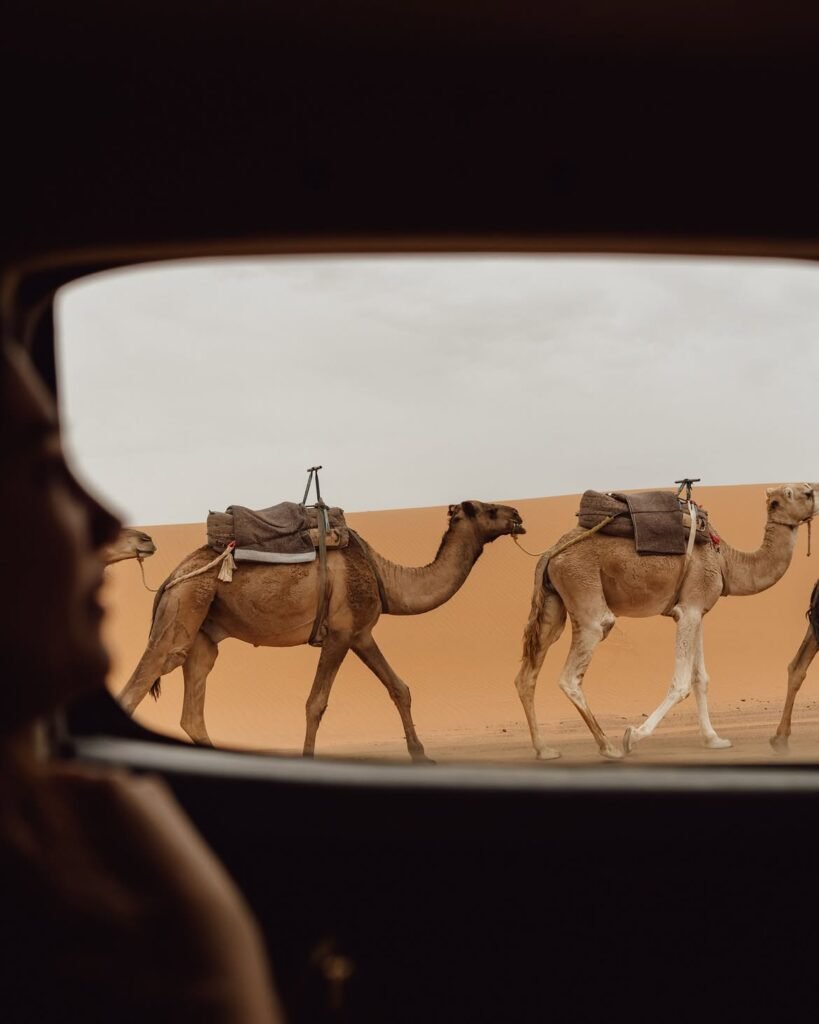
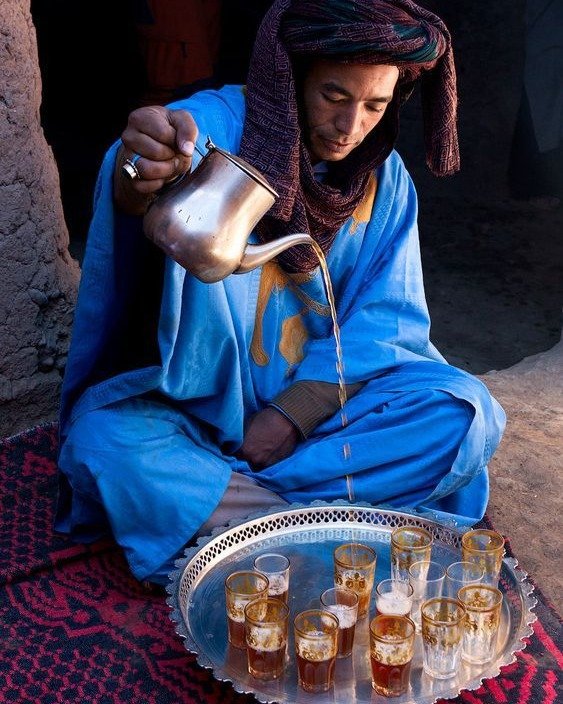
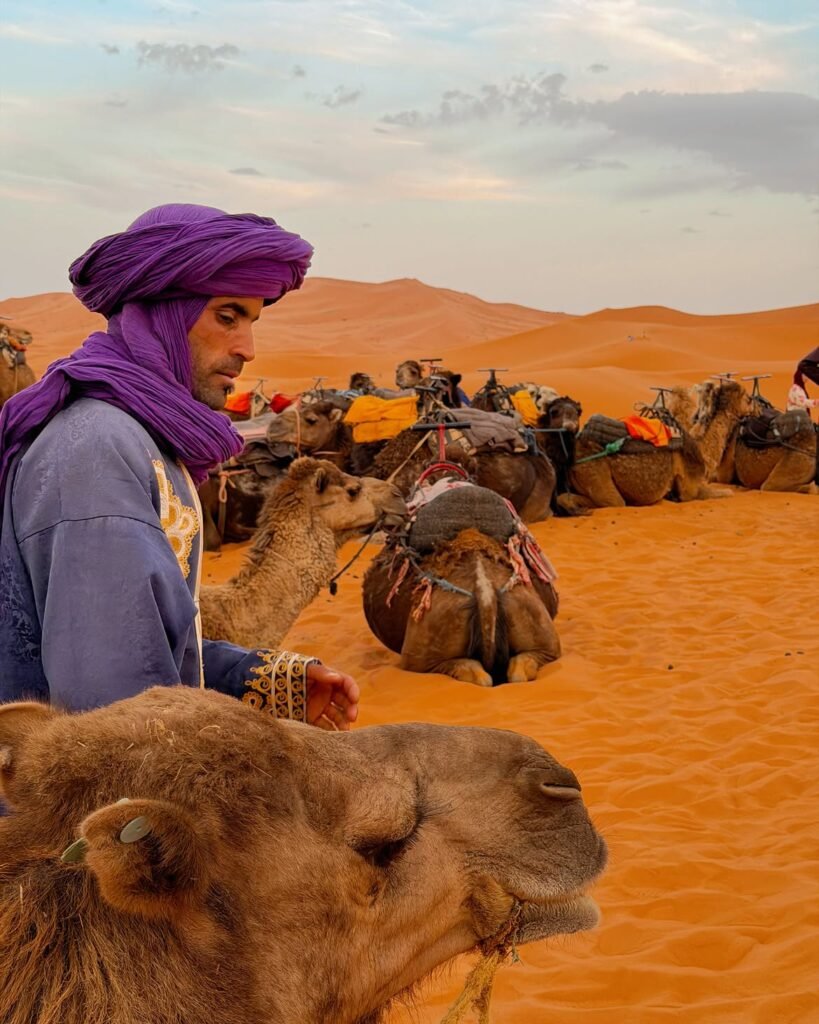
Eight frames from a few days past the last paved road in Morocco, roughly in the order the day gives them to you.
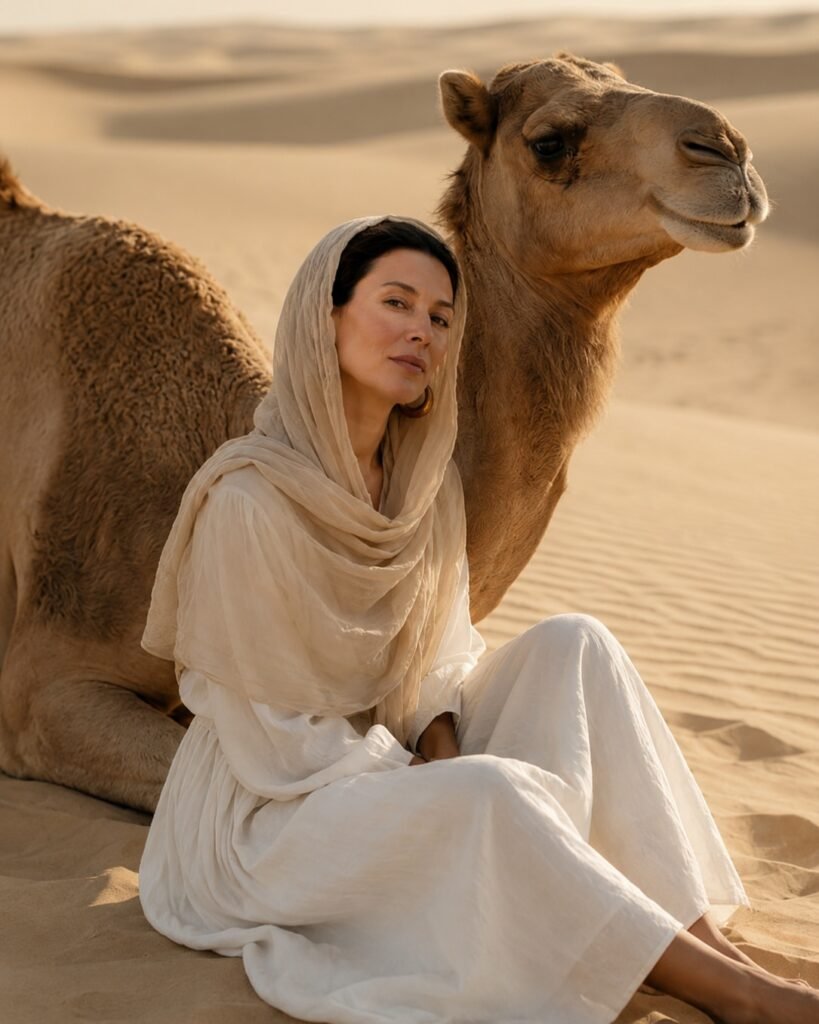
What the photographs leave out
The silence. Not quiet — silence. No traffic, no insects, no wind if the air is still. It is the first thing everyone notices and the only thing no camera has ever carried home for me.
The temperature swing. Photographs of golden dunes do not tell you that the same sand is close to freezing at three in the morning. Everyone underpacks a warm layer. I still do.
How steep dunes are. They look like soft curves. Climbing one is like climbing stairs that take half of every step back. Twenty metres is genuinely hard work.
The scale of the sky. With no town for fifty kilometres, the stars stop being points on a flat ceiling and arrange themselves into layers. That is the part worth staying overnight for.
If you go
- October to April. Summer in the deep Sahara is a risk, not an inconvenience.
- Stay the night. A day trip gives you sand. A night gives you the fire, the drop in temperature and the sky.
- Wear the scarf properly. Someone at camp will show you. It is for sun, wind and blown sand, and it works.
- Ask before photographing people. The dunes are yours to shoot. The faces are not.
There is a longer, more practical version of all of this — where the two ergs are, what a night actually costs, when to go and how to be a good guest — in The Sahara Field Guide. And if you want to see what happens when the desert throws a party, there is a wedding in the dunes.