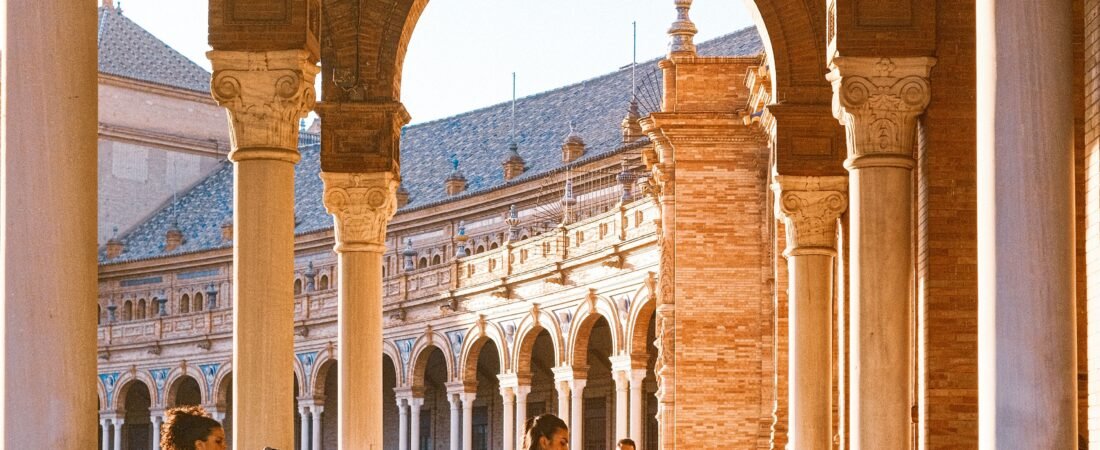
Jaipur is the city that made me fall for Rajasthan, and it did it with a color.
In 1876, the whole old city was painted terracotta pink, the traditional color of hospitality, to welcome a visiting British prince, and it simply never stopped. Today the paint is required by law, and the result is a walled city that glows rose-gold from every angle, stuffed with palaces, bazaars, and the most photogenic doorways on the planet.
The big four
Hawa Mahal. The “Palace of Winds,” Jaipur’s icon: a five-story pink facade of 953 tiny latticed windows, built in 1799 so royal women could watch street life below without being seen. Here is the secret everyone learns on arrival: it is essentially a magnificent screen, one room deep in places. See it at sunrise from the rooftop café across the street with a chai in hand, then go inside anyway for the views back over the bazaar.
City Palace. Still home to Jaipur’s royal family, and a masterclass in Rajput and Mughal style mixing. The must-see is the inner courtyard with four doorways representing the seasons; the peacock gate alone justified the ticket for me. I stood in front of it long enough that a guard started narrating it to me out of pity.
Jantar Mantar. An 18th-century royal observatory that looks like a sculpture park: enormous geometric instruments including the world’s largest stone sundial, accurate to two seconds. Maharaja Jai Singh II, who founded the city, was an astronomy obsessive, and this is his playground. Take the audio guide or it is just handsome concrete.
Amber Fort. Twenty minutes out of town, a honey-colored fort-palace rising off a hill above a lake, all ramparts, mirrored halls, and courtyards. The Sheesh Mahal, its hall of mirrors, was designed so a single candle reflects into a ceiling of stars. Go early, and please skip the elephant rides up the hill; walking takes ten minutes and the animals will thank you. Jeeps run for anyone who wants wheels.
A city built on purpose
Jaipur rewards a little history. It was founded in 1727 by Maharaja Sawai Jai Singh II, the astronomer-king of Jantar Mantar fame, and it was one of India’s first planned cities: a tidy grid of wide avenues and rectangular blocks laid out on ancient Vastu principles at a time when most cities simply happened. The pink came later, but the order was there from the start, and you can still feel it in the old town, where every bazaar was assigned its trade from the beginning.
Etiquette here is the gentle, standard-issue North Indian kind: shoulders and knees covered at temples, shoes off at the door, the right hand for eating and for handing things over, and a smiling thick skin in the bazaars, where attention is constant but rarely aggressive. If you visit in winter, look up the city’s festival calendar; Jaipur hosts a famous literature festival early in the year, and the processions for Teej and Gangaur fill the old city with music if your timing is lucky. Check dates before planning around them.
The bazaars
Jaipur is one of India’s great shopping cities and the old town is organized by trade, which makes hunting easy:
- Johari Bazaar for jewelry and gemstones, an old Jaipur specialty.
- Bapu Bazaar for textiles, block prints, and jootis, the embroidered leather slippers I bought three pairs of, with zero regret.
- Blue pottery, the local glazed craft, from a proper workshop.
- Bargaining is expected in the bazaars; start well below and land in the middle, smiling the entire time.
Eat while you shop: pyaaz kachori (an onion-stuffed fried pastry Jaipur is famous for), a glass of sweet lassi, and ghewar if any is around. And one dinner of Rajasthani classics, dal baati churma above all, is compulsory. Delicious, and heavy enough to require a sit-down afterward.
Planning your visit
Jaipur is the third corner of the Golden Triangle, with Delhi and Agra, which makes it one of the easiest introductions to India: four to five hours from Delhi by train or expressway, or a short flight into its own airport. Most travelers fold it into a longer Rajasthan loop, and it is the right first stop, the gateway before Jodhpur and Udaipur deepen the addiction.
Budgets stretch whichever way you like. Clean guesthouses and hostels run roughly $15 to 40 a night, charming heritage havelis $60 to 150, and the genuine palace hotels float serenely above that. Entry fees for the big monuments are modest individually but add up; a composite ticket covering several sights usually exists and is worth asking about, though prices and opening hours change often enough that checking the official tourism site before you go is the sane move. Food, autos, and even serious shopping cost little by Western standards. It is the gemstones that will test your resolve.
Practical bits
- Two full days covers the city; three lets you breathe.
- October to March is the season. Summer is a pizza oven.
- Autos and ride-hailing apps work well; agree prices for autos first.
- Sunset spot: Nahargarh Fort, on the ridge above the city, as the pink turns to ember.
Insider tips
On the road up to Amber Fort, detour to Panna Meena ka Kund, a small stepwell whose criss-crossing staircases photographers have quietly adored for years. Patrika Gate, out toward the airport, is the city’s most extravagantly painted archway and worth the ride at a quiet hour. Hawa Mahal glows best in the first hour of morning light, before the street fills. And a word to the wise in the gem bazaars: Jaipur’s stones are real and wonderful, but any scheme that involves you reselling gems back home at a profit is an old and beautifully polished scam. Buy what you love, at a price you would pay purely for the pleasure of it, and nothing more.
Coco processed Jaipur with dignity: unfazed by camels, deeply suspicious of a monkey at Amber Fort, and a minor celebrity in Bapu Bazaar, where a textile seller offered to trade a shawl for her. The shawl was beautiful. The answer was still no.
Quick answers
Why is Jaipur called the Pink City?
The old city was painted terracotta pink in 1876 to welcome a visiting British prince, pink being the traditional color of hospitality. The color stuck, and buildings in the historic center are still required to keep it.
How many days are enough for Jaipur?
Two full days cover the main palaces, forts, and bazaars at a brisk pace; three let you add stepwells, rooftop sunsets, and proper shopping without feeling rushed.
When is the best time to visit Jaipur?
October to March, when days are warm and dry rather than scorching. Summer is fierce and the monsoon is humid, while winter mornings can be surprisingly crisp.
Planning your trip? Try my free Travel Budget Calculator to plan your trip with confidence.
— Lina
Planning your Jaipur days
Two full days is the sweet spot; three lets you breathe. The kind months are October to March, when mornings are crisp and the light turns the pink facades to rose gold – summer here is genuinely fierce. Jaipur anchors the classic Golden Triangle with Delhi and Agra, an easy train or highway hop from either. Inside the city, autos and app cabs are cheap and everywhere; agree the fare before an auto moves, or let the app do the arguing for you. The major monuments offer composite tickets that cover several sights – check the official tourism counters for current prices rather than street sellers.
A city built on purpose
Jaipur is not accidentally lovely. Maharaja Jai Singh II laid it out in 1727 on a grid drawn from ancient Indian architectural texts – one of Asia’s first planned cities. The famous pink came later, painted across the old town in 1876 to welcome the Prince of Wales, and the city simply never let it go; the old quarter is still required to keep the blush. Knowing that changes how you see the streets: this is a city that decided what it wanted to be, twice, and committed.
My insider notes
Reach Amber Fort right at opening and walk up before the coaches arrive – the courtyards belong to you and the parakeets for one golden hour. On the road back, stop at Panna Meena ka Kund, the geometric stepwell that photographs like an Escher drawing. In the bazaars – Johari for jewellery, Bapu for textiles – haggling is a friendly sport: smile, counter around half, meet somewhere in the middle, and walk away happy or walk away, both are allowed. And those doorways I love: the best of them hide in the quiet lanes off the main streets, so give yourself one aimless hour.
Questions I am always asked
Why is Jaipur pink?
The old city was painted terracotta-pink in 1876 for a royal visit – pink being the colour of hospitality – and the tradition stuck, by law, in the historic quarter.
Can I do Jaipur as a day trip from Delhi?
You can, but you would meet the city only at its busiest hours. Stay a night: Amber at opening and the bazaars after sunset are the Jaipur worth crossing the world for.
Is it easy to get around?
Very. Autos and app cabs are plentiful and inexpensive; for a full monument day, hiring a driver for the day often costs less than you expect and spares you the negotiating.